
Your Ultimate Travel Guide to the Dolomites

If you’ve been on the hunt for your next dream destination, look no further than the UNESCO World Heritage Dolomites nestled in the heart of Italy.
Trust me, these majestic mountains are an absolute haven for travel enthusiasts, nature lovers, and adventure seekers like yourself.
In this blog post, I’ve got you covered with the ultimate travel guide to the Dolomites. We’ll tackle common questions like the best time to visit, what to pack, where to stay, and how to navigate this breathtaking region.
As a seasoned travel blogger who has explored every nook and cranny of the Dolomites, I’ve gathered a ton of practical knowledge to help you plan your journey.
I still remember the awe-inspiring beauty of those sharp mountain peaks against the clear blue sky – it left an indelible mark on my heart. Trust me, this place is a paradise for anyone who truly appreciates the grandeur of nature.
So, whether you’re a seasoned globetrotter or just starting to cross off your bucket list, this post will provide you with insightful tips and suggestions, ensuring your trip to the Dolomites is absolutely unforgettable.
The Ultimate Travel Guide to Dolomites
Best Time to Visit the Dolomites
The Dolomites are an attractive destination all year round, but the best time to visit largely depends on your preferred activities.
If you’re a hiking or mountaineering enthusiast, the most favorable period is from June to September when the weather is typically warm and dry. Average temperatures range between 20°C (68°F) and 30°C (86°F) during these months.
For winter sports lovers, the period from December to March is ideal. The temperatures can drop as low as -3°C (27°F) and rarely go above 7°C (45°F), providing a perfect setting for skiing, snowboarding, and snowshoeing with abundant snowfall.
The shoulder seasons, April-May and October-November, offer moderate weather, fewer crowds, and stunning scenery, with temperatures fluctuating between 10°C (50°F) and 20°C (68°F).
These periods are perfect for those who enjoy tranquility and want to capture the picturesque views of blooming wildflowers in spring or the vibrant colors of fall foliage.
In general, while the Dolomites are worth visiting any time of the year, choosing the right month for your visit will enhance your experience based on your interests.

| Month | Average High Temperature | Average Low Temperature | Average Hours Daylight | Average Hours Sunshine / Day | Average Days Rain / Month |
| Jan | 6°C / 42.8°F | -5°C / 23°F | 9:04 | 3 | 4 |
| Feb | 9°C / 48.2°F | -2°C / 28.4°F | 10:23 | 4 | 4 |
| Mar | 15°C / 59°F | 2°C / 35.6°F | 11:52 | 5 | 5 |
| Apr | 19°C / 66.2°F | 5°C / 41°F | 13:32 | 5 | 7 |
| May | 23°C / 73.4°F | 9° C / 48.2°F | 14:56 | 6 | 10 |
| Jun | 27°C / 80.6°F | 13°C / 55.4°F | 15:42 | 7 | 9 |
| Jul | 29°C / 84.2°F | 15°C / 59°F | 15:25 | 8 | 9 |
| Aug | 28°C / 82.4°F | 15°C / 59°F | 14:12 | 7 | 9 |
| Sep | 25°C / 77°F | 11°C / 51.8°F | 12:37 | 6 | 6 |
| Oct | 19°C / 66.2°F | 6° C / 42.8°F | 11:01 | 5 | 6 |
| Nov | 11°C / 51.8°F | 0°C / 32°F | 9:32 | 3 | 6 |
| Dec | 7°C / 44.6°F | -4°C / 24.8°F | 8:42 | 3 | 4 |
Best Time for Hiking in the Dolomites
When it comes to the “Best Time for Hiking in the Dolomites,” September really stands out as a top choice for many avid hikers.
It’s not too hot like in the peak summer months, and you get to witness the landscape painted in the beautiful colors of early autumn. It’s the perfect time to fully enjoy this natural spectacle!
One hiking activity that’s becoming increasingly popular is the “Dolomites hiking hut to hut” option.
It’s amazing because you can traverse through the mountain range, spending the nights in different huts, and immersing yourself completely in the breathtaking beauty of the Dolomites.
Now, if you’re thinking of visiting the Dolomites in April, keep in mind that it’s part of the shoulder season.
While you can still enjoy hiking during this time, be prepared for some unpredictable weather conditions. So make sure you have the necessary gear to adapt to sudden changes.
But hey, regardless of the month you choose, hiking in the Dolomites is an experience like no other.
You’ll be treated to unforgettable views and exhilarating trails! And don’t forget, the Dolomites is also one of the best places to stay in summer, offering a perfect blend of adventure and breathtaking beauty.

Best Time for Skiing in the Dolomites
If you’re thinking about skiing in the Dolomites, the best time to go is usually from late December to early April.
That’s when you can count on plenty of snow to play with! They call it the “Dolomites ski season” and it’s a fantastic opportunity to enjoy the stunning Italian Alps. The slopes are huge and well taken care of, offering a top-notch skiing experience.
Now, if you want to know the absolute best time to ski in Italy, especially in the Dolomites, many people say it’s from mid-January to February. By then, the holiday crowd has thinned out, the weather is usually stable, and the snow conditions are fantastic.
Whether you’re a beginner or an expert skier, the Dolomites provide the perfect backdrop for a winter adventure, as long as you plan your visit at the right time.
Read also: The Ultimate Guide To Visiting Dolomites In The Winter
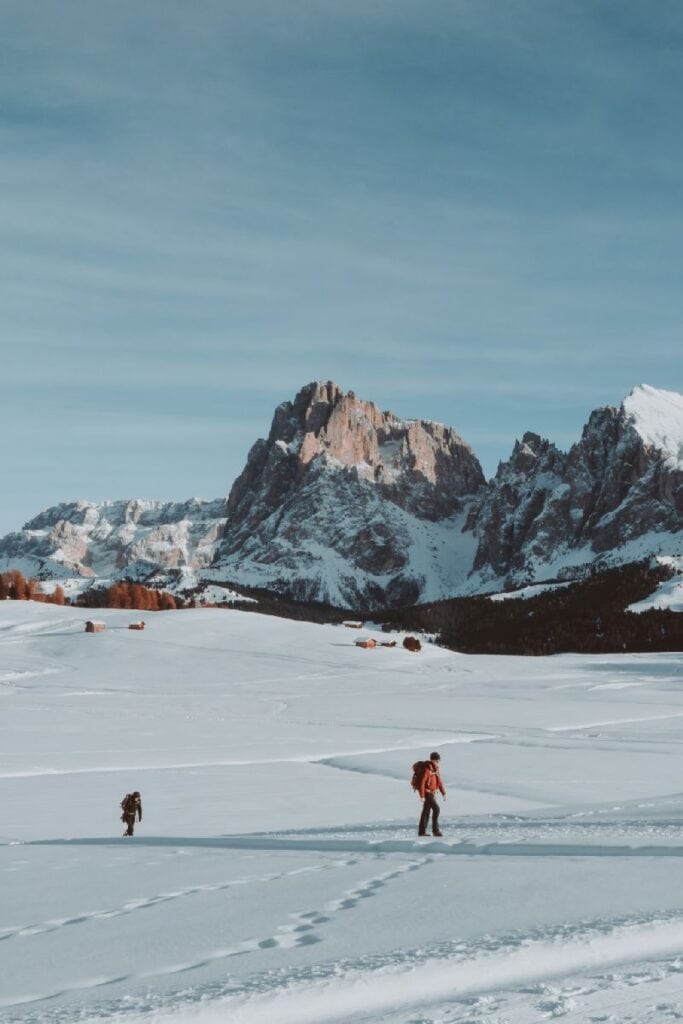
Where are the Dolomites located
The Dolomites, a breathtaking segment of the Northern Italian Alps, are primarily located in northeastern Italy.
You can find them stretching across three Italian provinces: Belluno, South Tyrol, and Trentino.
If you’re trying to locate them on a map, just search for “Dolomites Italy map” and you’ll discover these majestic mountains nestled comfortably in the northeastern part of the country, not too far from the borders with Austria and Switzerland.
The Dolomites are a fascinating blend of Italian and Central European cultures, making them an incredible intersection of different traditions.
What sets the Dolomites apart from the larger Alps range are their unique, towering shapes and the enchanting pink hue of their rocks. Trust me, this geographical wonder is absolutely worth a visit!

How to Get to the Dolomites
Getting to the Dolomites can be an easy and enjoyable journey, especially if you are coming from the nearby Italian cities.
- By Train: The Italian rail system connects to many towns at the base of the Dolomites. From there, you can take a bus or taxi to your specific destination.
- From Milan: You can take a train from Milan to Verona, then switch for a train to Bolzano, a town right at the foot of the Dolomites. The total journey may take around 4-5 hours.
- From Venice: You can take a direct train from Venice to Belluno, which is located within the Dolomites region. The trip is approximately two hours.
- From Verona: Trains from Verona to the Dolomites depart regularly and take about 1.5-2 hours to reach Bolzano or Trento.
- Closest International Airport: The closest international airports are Venice Marco Polo and Verona Villafranca. From there, you can rent a car or take a train to the Dolomites.
- From Rome: You can take a flight from Rome to Venice or Verona, then continue by car or train. Alternatively, direct trains from Rome to the Dolomites take about 4-5 hours.
These are just a few options! Remember to check the current schedules and prices, as they may vary.

Saving on the price of a flight ticket is a game-changer for your budget. Uncover the secrets to finding the cheapest flights with these expert tricks, beginning with some good old-fashioned research!

What Languages are Spoken in the Dolomites
When you visit the Dolomites in Northern Italy, you’ll be amazed by the fascinating mix of languages that reflects its rich cultural and historical tapestry.
In this region, Italian and German are the primary languages spoken, but there’s also something unique – the Ladin language. It’s a Romance language spoken by the Ladin people in the Dolomites.
Despite Italian and German being more dominant, Ladin continues to thrive, adding an extra layer of intrigue to your visit. It’s a testament to the distinctive cultural identity of this region and an integral part of the local heritage.
So, when you explore the Northern Italy Dolomites, get ready for an enchanting linguistic journey!
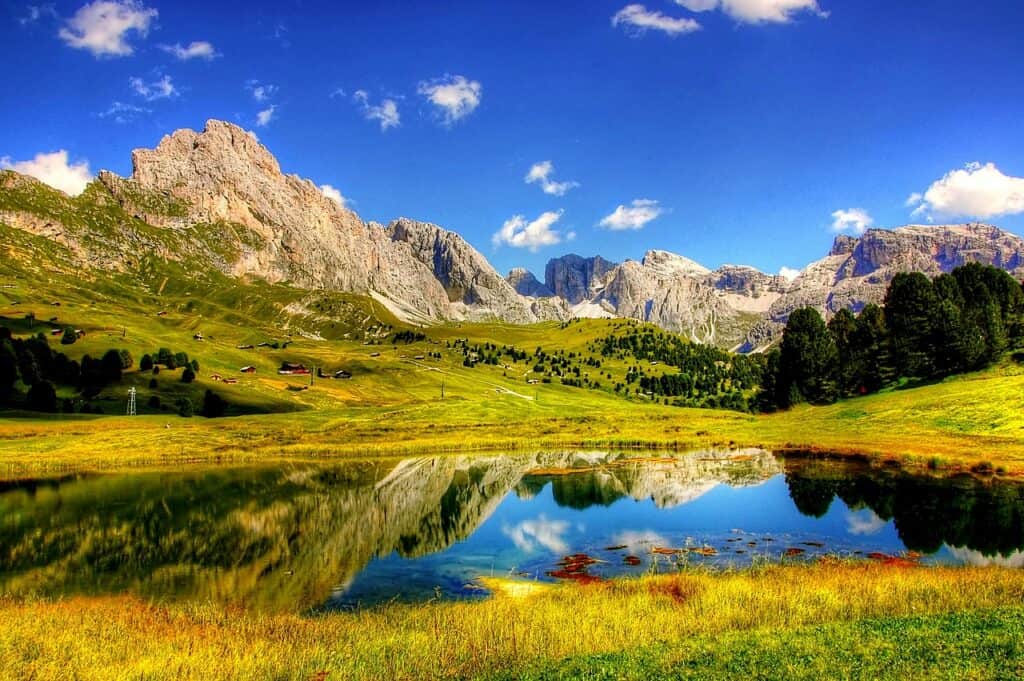
Best Places to Stay in the Dolomites
There are various stunning locations within the Dolomites which offer comfortable and authentic accommodations.

Find a wide range of accommodation options, from hostels and apartments to luxurious hotels. Whether you're traveling on a budget or seeking ultimate comfort, I've got you covered!
One such place is San Martino di Castrozza, a charming mountain resort that promises a perfect blend of rich history, spectacular views, and modern comfort.
Another excellent choice is Alta Badia, a spot renowned for its luxury hotels and gourmet dining, nestled amidst majestic mountainous landscapes. For those seeking tranquility and panoramic vistas, Alpe di Siusi is a must-visit.
Boasting Europe’s largest high alpine pasture, it offers a tranquil retreat away from the bustling city life.
Val di Fassa is a well-known valley in the Dolomites, offering a range of accommodation to suit various budgets and preferences. From family-run B&Bs, rustic lodges, to plush hotels, you’ll find it all here.
Lastly, Val di Funes offers visitors a unique experience with its small inns and guesthouses. It’s an ideal choice for those desiring to immerse in the local culture and unspoiled natural beauty of the Dolomites.
The above destinations make for the best places to stay in the Dolomites, promising unforgettable experiences amidst some of the most stunning landscapes on the planet.
Read also: Where to stay in the Dolomites
What to See and Do in the Dolomites
The Dolomites, a UNESCO World Heritage Site, offer an array of breathtaking views and adventurous activities for all travel enthusiasts.
These Italian Alps, often referred to as the “Pale Mountains,” captivate visitors with their strikingly jagged peaks and valleys, carved from the unique Dolomite rock. This travel guide will help you make the most out of your holiday in the Dolomites.
Visiting the Dolomites Mountains
Start your journey in the Dolomite Mountains with a visit to the mesmerizing Cortina d’Ampezzo, also known as the “Queen of the Dolomites”.
Nestled in the Veneto region, Cortina d’Ampezzo offers stunning panoramas that are a must-see, especially at dawn or dusk when the mountains light up in fiery hues.
From there, venture towards Val Gardena, a valley within the Dolomites known for its rich Ladin culture and exquisite carving tradition.

Hiking in the Dolomites
For outdoor enthusiasts, the Dolomites present a paradise with countless hiking trails. One of the most renowned is the Alta Via 1, a long-distance trail that spans over the picturesque landscapes of the Northern Italian Alps.
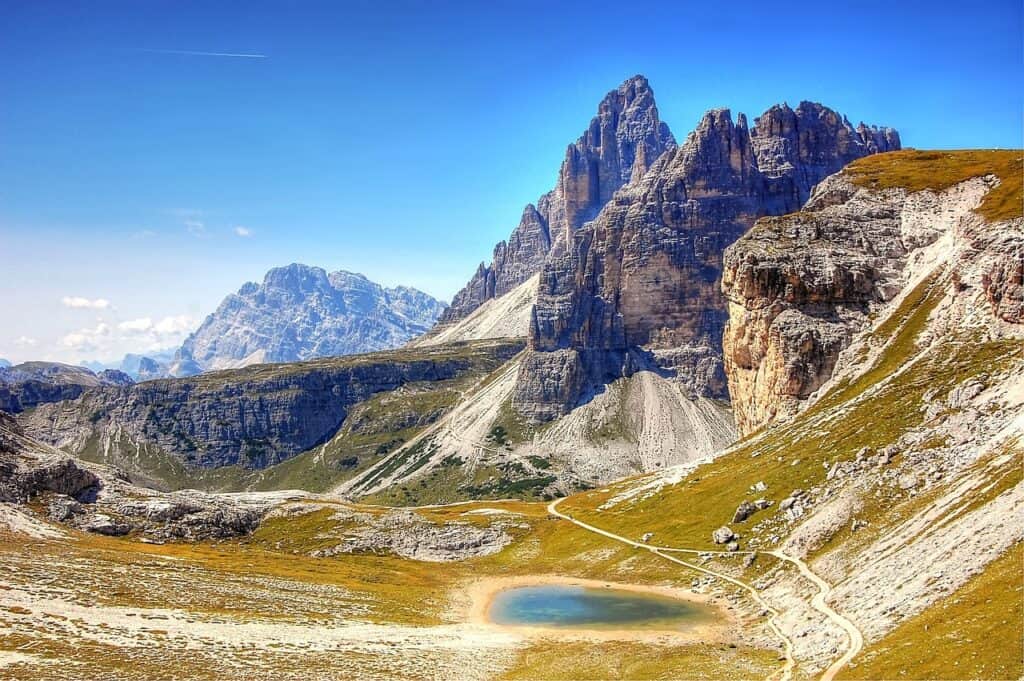
Another highlight for hikers is the Tre Cime di Lavaredo, a famous mountain group within the Sesto Dolomites. Hike up this challenging trail and be rewarded with sweeping views of the carbonate peaks.
UNESCO World Heritage in The Dolomites
The Dolomites’ recognition as a UNESCO World Heritage site is a testament to its natural beauty and geological significance.
Covering an area across Provinces of Belluno, you can explore a variety of flora and fauna, and unique geological formations like the peculiar pinnacle formations and landslides marking the landscape.
The unspoiled beauty of these Southern Limestone Alps leaves a remarkable impression on all who visit.
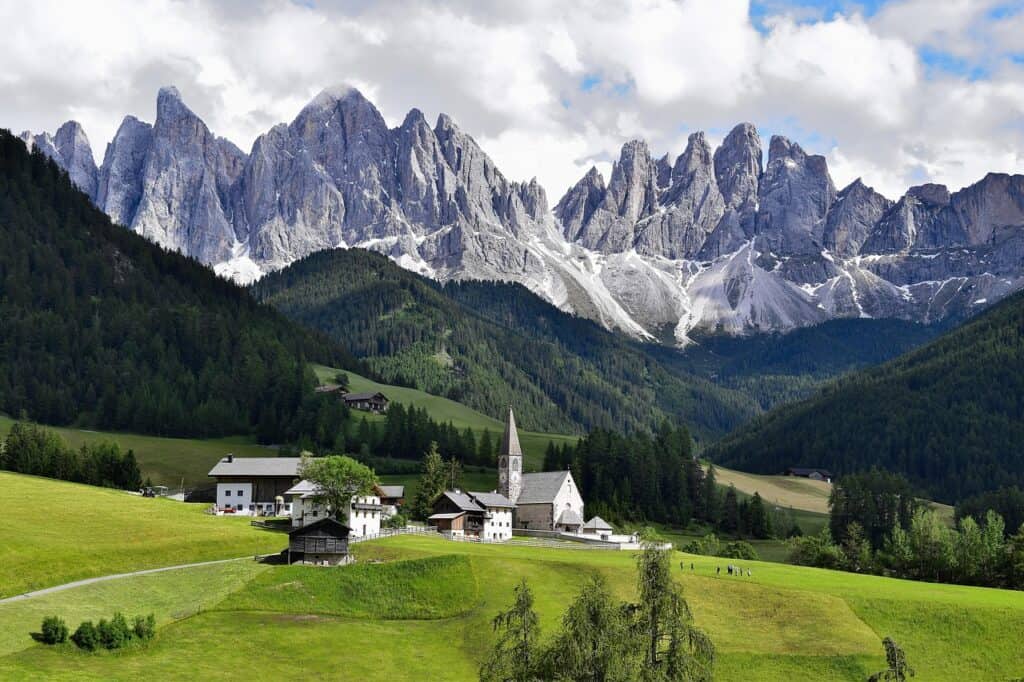
Exploring the Dolomites
Apart from hiking, there are several other ways to enjoy the Dolomites. Take a cable car to the Sella Mountain Range for an unforgettable view of the alps or experience the thrill of mountaineering in the Marmolada, the highest mountain in the Dolomites.
For history enthusiasts, the region holds significant First World War sites, with trenches and tunnels that ran through the Dolomites.
This Dolomites travel guide merely scratches the surface of what this incredible region offers.
From the natural grandeur of the Dolomites Alps to the rich culture of the Ladin-speaking valleys, the Dolomites in Northern Italy are a destination that combines breathtaking landscapes with rich history and vibrant local culture.

The Dolomites vs. the Pale Mountains
While both the Dolomites and the Pale Mountains refer to the same mountain range in Northern Italy, the names suggest different aspects of this stunning landscape.
The term “Dolomites” originates from the French mineralogist Déodat Gratet de Dolomieu who first studied the unique carbonate rock deposited in these mountains.
Known for their dramatic peaks and spires, the Dolomites portray a much more rugged and wild image.
Conversely, “Pale Mountains” paints a picture of the mountains’ remarkable aesthetic characteristic – their soft, pale hue, especially during dawn and dusk.
The alpenglow at sunset and sunrise paints the mountains in pastel colors, making them look “pale”. Therefore, the term “Pale Mountains” emphasizes more on the breathtaking aesthetics of this mountain range.
Regardless of the name, both “the Dolomites” and “the Pale Mountains” refer to the same UNESCO World Heritage site, beloved for its natural beauty, unique geology, and incredible outdoor adventure possibilities.
What to Eat & Drink in the Dolomites
When visiting the Dolomites, indulge in the distinctive South Tyrolean cuisine that blends Italian, Austrian, and Ladin influences. Start your culinary journey with ‘Canederli’, bread dumplings often filled with Speck (cured ham) or cheese.
‘Schlutzkrapfen’, half-moon shaped ravioli filled with spinach and ricotta, is another must-try. For meat lovers, ‘Goulash Stew’ is a hearty option, while ‘Tirtlan’, filled fried pastries, make delightful snacks.
Pair your meal with local Tyrolean wines such as Gewürztraminer and Lagrein. Alternatively, try ‘Grappa’, a potent Italian brandy, or the traditional mulled wine, ‘Glühwein’, if you’re visiting during winter.
Don’t miss out on sampling the region’s beers too, with options ranging from wheat beers to aromatic Pilsners. Remember to finish your meal with a piece of ‘Strudel’, a popular local dessert, often filled with apples or cherries.

Last Tips for visiting Dolomites
Planning your visit to the Dolomites involves more than just picking out the sights. For a comfortable and enjoyable journey, consider these essential tips:
- Best Time to Visit: The Dolomites are a year-round destination, attracting hikers and bikers in spring and summer, and skiers in winter. The best time to visit for outdoor activities is between June and September, while winter enthusiasts should plan their visit between December and March.
- Accommodation: Book your accommodation well in advance, especially during peak season. Options range from budget-friendly guesthouses to luxury hotels.
- Getting Around: While public transportation is available, hiring a car provides the most flexibility, allowing you to explore off-the-beaten-path areas.
- Weather: Mountain weather can be unpredictable. Always carry waterproof clothing and be prepared for sudden changes in weather.
- Safety: Before setting out on hikes, check the weather forecast and inform someone about your planned route and expected return time.
- Respect Nature: Stick to designated paths, don’t litter, and respect the wildlife. This way, you contribute to preserving the Dolomites for future generations.
Remember, your actions can immensely impact the environment and your safety. Plan wisely, respect the local culture, and enjoy the breathtaking beauty of the Dolomites.
Conclusion
Visiting the Dolomites is such an incredible experience! You get to see the breathtaking natural beauty, immerse yourself in the rich cultural heritage, and enjoy amazing outdoor activities.
These mountains have been shaped by centuries of geological processes, and they’re not just a destination, they’re a testament to the grandeur and resilience of nature itself.
Every hike through the lush valleys, every delicious local dish you try, and every stunning view you take in is filled with a unique blend of history and tradition that really captures the essence of the place.
It’s not just about visiting, it’s about truly immersing yourself – exploring the lesser-known paths, engaging with the local culture, and respecting the environment that you become a part of.
The Dolomites are calling out to you, not just as a tourist, but as an explorer in search of something extraordinary.
Whether you’re seeking the thrill of skiing down pristine slopes, the challenge of a summer hike, or the simple joy of watching a tranquil sunset paint the mountain peaks, there’s something here for every adventurer.
And let me tell you, once you’ve experienced the Dolomites, they will leave a lasting impression on your heart.
It’s about appreciating the delicate balance of nature, connecting with its rhythm, and understanding that true travel is all about experiencing, not just seeing.
So go ahead, pack your bags, plan your visit, and let the magic of the Dolomites enchant you.
Here are some helpful resources to assist you in planning your trip:
- These 4 Dolomites Ski Resorts Are Opening In November 2023
- Explore the best winter activities in the Dolomites
- Experience the Magic of Lago di Braies in Winter
- The Ultimate Guide To Visiting Dolomites In The Winter
- 10 top hiking trails in the Italian Dolomites (+Map & Instructions)
Did you know….
When you buy something after clicking on one of my links, I get a small commission. However, you continue to pay the same amount!
Are you planning a trip right now?
These are just a few of my favorite websites for booking everything from hotels to car rentals!
👉 Experience the world’s top attractions hassle-free with this platform. From iconic landmarks to hidden gems, explore with ease and enjoy seamless ticketing.
👉 My favourite platform to find tours around the world – from photo tours and helicopter rides to discounted admission to popular attractions
👉 Stay connected globally with the e-SIM I use, all for under $20 a month
👉 I enjoyed a 20% discount on a 5-star hotel using this hotel booking platform
👉 Save $1,000 on car rentals compared to traditional sites with this car rental agency
👉 Ensure the safety of your trips with this trusted travel insurance company
👉 Use public networks without fear of hacker attacks with this tool.

I only recommend products I would use myself and all opinions expressed here are our own. This post may contain affiliate links that at no additional cost to you, I may earn a small commission. Read full privacy policy here.
