
Ultimate Guide to Hiking the Inca Trail to Machu Picchu: Tips and Trails for Your Peru Trek

Embarking on the legendary Inca Trail to the mystical ruins of Machu Picchu is truly a transformative adventure that every hiker dreams of.
But let’s be real, it’s not as simple as just lacing up your boots and hitting the trail. This guide is here to be your ultimate companion, filled with practical insights to help you navigate the challenges and make the most of your journey.
Trust me, I’ve been there too. I know what it’s like to face the fear of the unknown – the unfamiliar terrain, the altitude sickness, and the uncertainty about the right gear.
My first-hand experience completing this trek has shaped this guide, and I want to share that authentic experience with you.
I want to empower you to not only conquer the Inca Trail but any hiking adventure that lies ahead.
Whether you’re a seasoned hiker or just a curious adventurer, this guide will equip you with the knowledge and the courage to embark on the journey of a lifetime.
What is the Inca Trail?
The Inca Trail is this amazing four-day trek that follows the path of an ancient Inca highway that was built over 500 years ago.
You start at this point called Kilometer 82, just outside the city of Cusco, and it takes you all the way to the Sun Gate, where you get this breathtaking view of Machu Picchu.
And let me tell you, along the way, you’ll come across so many Inca ruins and get to experience the sheer beauty of the Andes mountains. It’s truly something!

Choosing the Right Trail
Before you set off on this epic journey, it’s crucial to understand the factors involved in choosing the right trail.
In the following sections, we’ll explore the different Inca Trails available, the difficulty levels they offer, and the permits and regulations you need to consider.
The Classic Inca Trail
The Classic Inca Trail is the ultimate route that has fascinated hikers for ages. Picture ancient ruins, lush cloud forests, and breathtaking views of the Andes.
It usually takes around four days to finish, covering roughly 26 miles (42 kilometers). So, ready to embark on this incredible adventure?
.jpg)
Salkantay Trek
The Salkantay Trek is a tough but exciting alternative to the Classic Inca Trail. It’ll take you through a variety of landscapes like snow-capped mountains, high-altitude passes, and lush tropical cloud forests.
It’s perfect for those who want a more adventurous and off-the-beaten-path experience!
Lares Trek
The Lares Trek offers a unique opportunity to immerse yourself in the local Andean culture.
This trail takes you through traditional Andean villages, where you can interact with indigenous communities and witness their way of life. The Lares Trek is also less crowded compared to the Classic Inca Trail.
Choquequirao Trek
If you’re an adventurous hiker seeking a challenging and off-the-beaten-path experience, you should definitely consider the Choquequirao Trek.
This trail will lead you to the lesser-known Inca site of Choquequirao, often called the “sister city” of Machu Picchu.
Along the way, you’ll be treated to breathtaking views of the Vilcabamba mountain range and have the chance to explore ancient ruins. It’s a real gem for adventure seekers!
Difficulty Levels
When it comes to choosing a trail, it’s important to find one that matches your fitness level and hiking experience.
The Classic Inca Trail is moderately challenging, with steep ascents and descents, high altitudes, and long hiking days.
On the other hand, the Salkantay Trek and Choquequirao Trek are more demanding, requiring a higher level of physical fitness and endurance.
If you’re looking for a slightly less strenuous option that still offers a great balance between cultural immersion and hiking, the Lares Trek is a popular choice.
Permits and Regulations
If you’re planning to hike the Inca Trail, including the Classic Inca Trail, you’ll need to get a permit.
These permits are limited and go fast, especially during the peak season from May to September.
So, it’s a good idea to book your trek well in advance to secure your permit. And remember, it’s important to follow the rules set by the Peruvian government and the Ministry of Culture.
These rules cover things like waste management, camping restrictions, and protecting the archaeological sites along the trail. By respecting these rules, we can preserve this ancient trail for future generations to enjoy.

Why Hike the Inca Trail to Machu Picchu?
Ready to embark on an incredible journey through the Ancient Inca Culture? The Inca Trail is more than just a hike.
It’s a chance to immerse yourself in history, discovering fascinating Inca ruins like the famous Wiñay Wayna and Intipata. You’ll get a glimpse into the rich Inca culture and their way of life.
But that’s not all! Get ready to feast your eyes on the stunning scenery of the Peruvian Andes. From majestic snow-capped mountains to enchanting lush forests, the landscape will constantly amaze you, making the hike even more rewarding.
Now, let’s talk about the challenge. The Inca Trail is no walk in the park. But trust me, the sense of fulfillment you’ll get from pushing yourself physically and mentally is priceless. You’ll conquer the trek and come out feeling accomplished like never before.
Excited? I bet you are! So, let’s dive into how to prepare for this epic adventure on the Inca Trail.
How to Prepare for the Inca Trail
In this section, I’ll cover two key aspects: getting your body and mind in shape. With these tips and strategies, you’ll be all set to take on the challenges and savor the rewards of hiking the Inca Trail to Machu Picchu.
Physical Preparation
Hiking the Inca Trail is quite a challenge that requires a certain level of fitness. It’s super important to get your body ready for the exertion during the trek.
Regular cardio exercises like walking, jogging, or cycling can boost your stamina big time. And don’t forget to throw in some squats and lunges to build those leg muscles and prep yourself for those steep ascents and descents on the trail.
Oh, and it’s a great idea to go on practice hikes in your local area, gradually increasing the difficulty to simulate the Inca Trail conditions. This way, you can assess your fitness level, break in those hiking boots, and test your gear too!
Mental Preparation
Just like the Inca Trail requires physical fitness, it’s equally important to be mentally prepared. The trek can bring about some tough psychological challenges that you need to overcome to fully enjoy the journey.
Developing a positive mindset and building resilience can help you tackle any difficulties you encounter on the trail. Try practicing mindfulness or meditation to strengthen your mental fortitude and improve focus.
Visualizing yourself conquering the trail and successfully reaching Machu Picchu can also be super helpful.
And don’t forget to do some pre-trek research to set realistic expectations and prepare effectively. Remember, it’s all about finding the right balance between physical and mental readiness to conquer the Inca Trail.
What to Pack for the Inca Trail
Making sure you’ve got the right gear and essentials is key to having a comfy and successful trek. Here are a few things you should definitely pack in your backpack:
Hiking boots: Invest in a sturdy pair of hiking boots that provide ankle support and have a good grip on various terrains.
Clothing: Dressing in layers is key as temperatures can fluctuate drastically throughout the day.
Bring lightweight, moisture-wicking shirts, long-sleeved tops, a warm fleece or jacket, and waterproof pants or a poncho. Don’t forget to pack extra socks and comfortable underwear.
-

$44.99$24.49Check on Amazon Buy NowI totally recommend the fleece lined leggings, especially for hikes. The super soft fleece inner layer traps heat like a boss, keeping you cozy and comfortable. It's perfect for chilly days under 40°F. Plus, the water-resistant fabric can handle light rain and gives you wind protection, so you'll stay dry and protected even on snowy days. Stay comfy and enjoy your hikes with this absolute favorite of mine!
11/26/2024 04:38 am GMT -
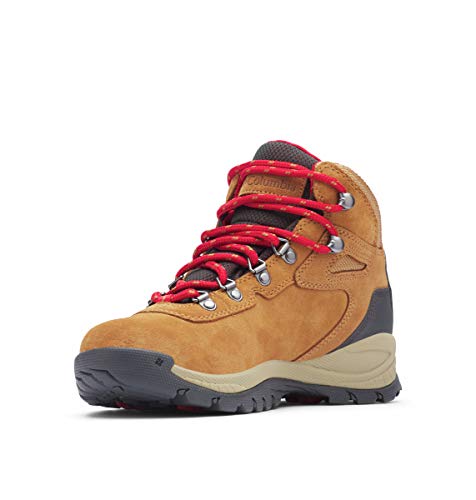 $100.00Check on Amazon Buy Now
You should check out these women's boots! They have that classic mountaineering style and they're super durable. Plus, they're mid-cut, waterproof hikers with excellent traction and comfort. Can't go wrong with these!
We earn a commission if you make a purchase, but it won't cost you anything extra – happy exploring!
11/26/2024 05:41 am GMT -

$295.00$221.25Check on Amazon Buy NowYou've got to check out this packable down jacket for your mountain escapades! It's seriously amazing - super warm, lightweight, and easy to pack. Perfect for all your high-altitude adventures! Personally, it's my top pick because it's functional, comfy, and stylish. You'll stay warm and cozy without sacrificing mobility.
We earn a commission if you make a purchase, but it won't cost you anything extra – happy exploring!
11/26/2024 05:48 am GMT

Sleeping bag and mattress: Choose a lightweight and compact sleeping bag suitable for the expected temperatures along the trail. A sleeping pad or mattress will provide insulation and enhance your sleeping comfort.
Toiletries: Pack a small towel, biodegradable soap, toothpaste, and a toothbrush. Remember to bring toilet paper and hand sanitizer, as these may not be readily available along the trail.
First aid kit: Include essentials such as adhesive bandages, blister pads, painkillers, antiseptic ointment, and any personal medications you may need. It’s also a good idea to carry insect repellent and sunscreen.
Headlamp or flashlight: A reliable source of light is essential for early morning starts and navigating campgrounds at night.
Other Useful Items
- Multi-tool for small repairs
- Extra batteries and portable charger for electronic devices
- Ziplock bags to keep items dry
- Reusable water bottle to stay hydrated
Altitude Sickness Prevention
The Inca Trail takes you to heights of over 4,000 meters (13,000 feet), so altitude sickness is something to watch out for. But don’t worry, there are a few precautions you can take to minimize the chances of feeling sick:
- Take your time to acclimatize: Get to Cusco a couple of days before your trek and let your body adjust to the higher altitude. Explore the city and gradually increase your physical activity.
- Stay hydrated: Drink lots of water during your trek to keep your body hydrated. Avoid alcohol and caffeine as they can make dehydration worse.
- Give coca leaves a try: In the Andean region, chewing coca leaves or sipping coca tea is believed to help with altitude sickness symptoms like nausea and headaches.
- Medication might help: Talk to your doctor about taking medication to prevent or manage altitude sickness. Acetazolamide (Diamox) is often prescribed for this purpose.
By following these tips, you’ll be well-prepared to tackle the challenges of the Inca Trail. Just remember to listen to your body and take breaks if you start feeling uncomfortable during the trek.

Hiking the Inca Trail to Machu Picchu
Day-by-Day Itinerary
To make your trek unforgettable, here’s a day-by-day itinerary to guide you along the Inca Trail to Machu Picchu. Let’s go!
Day 1:
On the first day, you’ll start early in the morning from Cusco and head to the trail’s starting point at Km 82.
Once you pass the checkpoint, the hike begins, gradually going up through the Sacred Valley. Along the way, you’ll come across small villages and archaeological sites, giving you a taste of the incredible sights ahead.
After about 6-7 hours of hiking, you’ll reach the campsite at Wayllabamba, where you can take a break and recharge for the challenges that lie ahead.

Day 2:
Get ready for an intense day as you conquer the highest point of the trail, also known as Dead Woman’s Pass (Warmiwañusqa).
This steep climb will challenge your endurance and determination, but the stunning panoramic views of the mountains make it all worth it. Once you reach the pass, you’ll descend into the Pacaymayo Valley and set up camp for the night.
Day 3:
Pacaymayo to Wiñay Wayna Today’s hike will take you through diverse landscapes, including cloud forests and ancient Inca ruins.
You’ll visit the archaeological sites of Runkurakay and Sayacmarca, where your guide will provide fascinating insights into their historical significance.
As you continue along the trail, you’ll pass through the beautiful Phuyupatamarca ruins and descend to the Wiñay Wayna campsite, situated amidst lush vegetation.
Day 4:
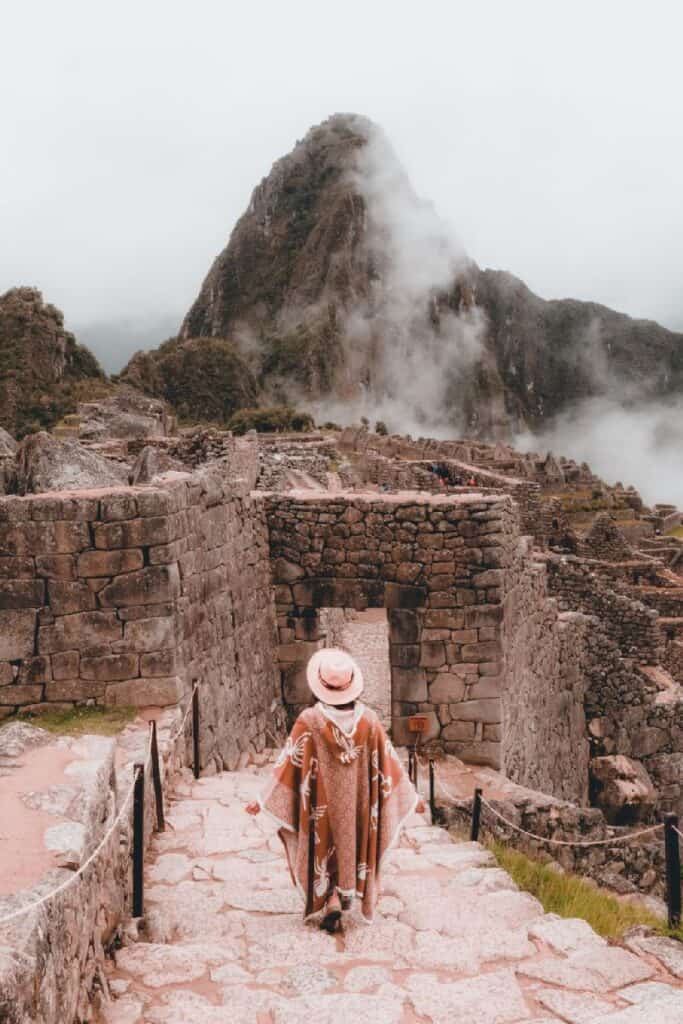
On the final day of the trek, get ready for the most rewarding part: reaching the long-awaited Machu Picchu!
Start early in the morning to catch the sunrise at Inti Punku, also known as the Sun Gate. From this spot, you’ll get your first breathtaking glimpse of the iconic Machu Picchu ruins, all bathed in golden light.
After taking in this awe-inspiring view, you’ll descend to the ruins and explore the ancient citadel with a knowledgeable guide.
Take some time afterward to soak in the atmosphere, capture unforgettable memories, and then hop on a bus back to Cusco.
Highlights and Points of Interest
While hiking the Inca Trail, you’ll come across plenty of awesome spots and cool things that will amp up your trekking experience.
One of these is the amazing ruins of Llactapata, giving you a peek into the Inca’s architectural skills and their bond with nature.
The cloud forests, filled with lush plants and colorful birds, will completely immerse you in a magical vibe as you explore this one-of-a-kind ecosystem.
While hiking, be sure to keep an eye out for the impressive Inca stone pathways called “andenes.”
These terraces were cleverly built by the ancient Incas to prevent erosion and maximize agriculture. It’s truly fascinating to admire the skill and precision with which these structures were constructed!
Choosing the Right Tour Company
When you’re planning a trek on the iconic Inca Trail to Machu Picchu, it’s super important to choose the right tour company for a safe and awesome experience.
In this section, we’ll talk about the key things to think about when picking a tour company. First up, we gotta stress the importance of doing thorough research and reading reviews to make sure you’re going with a reputable and reliable company.
Then, we’ll dive into why it’s so important to consider the itinerary and what’s included with each company.
And lastly, we’ll touch on the significance of responsible tourism practices and how to make sure your chosen company follows them.
Research and Read Reviews
- Begin by researching various tour companies that offer the Inca Trail trek.
- Read reviews from multiple sources, including travel websites, forums, and social media, to get an idea of customer satisfaction and experiences.
- Take note of specific feedback regarding the organization, quality of guides, and overall experience of the trek.
Consider the Itinerary and Inclusions
- Check the tour itinerary for key sites such as Winay Wayna and the Sun Gate.
- Review inclusions such as meals, equipment, and porter services.
- Ensure that the itinerary is suitable for your fitness level and aligns with your interests.
Fact: The Inca Trail covers approximately 26 miles (42 kilometers) and takes hikers through a variety of Andean landscapes.
Check for Responsible Tourism Practices
- Research the tour company’s commitment to sustainable and ethical tourism practices.
- Check if the company supports local communities and minimizes environmental impact.
- Review the company’s waste management policies and conservation efforts.
- Ensure the company promotes responsible tourism practices and respects local cultures and heritage.
What to Expect on the Inca Trail
Hiking the Inca Trail to Machu Picchu is truly an adventure like no other! In this section, we’ll chat about what you can expect on this famous trail.
We’ll cover everything from the difficulty and altitude levels you’ll face to the unpredictable weather and the accommodations for hikers.
Whether you’ve already booked your trek or you’re still thinking about it, this guide will give you a solid idea of what to expect on the Inca Trail. Let’s get started!
Difficulty and Altitude
- Be ready for the challenges of high altitude and steep ascents, which can be physically demanding.
- Help your body adjust to the altitude by arriving in Cusco a few days before the trek.
- Stay hydrated and pace yourself to combat the effects of altitude sickness.
The Inca Trail, an important component of the Incan road system, was used as a pilgrimage route to Machu Picchu and other sacred sites.
Weather and Climate
- Research typical weather patterns for the region, including temperature variations and precipitation levels.
- Consider the best time to hike, typically during the dry season months from May to September, to avoid heavy rainfall.
- Prepare for temperature changes by layering clothing and packing a waterproof outer layer.
When you’re planning your hike on the Inca Trail, it’s super important to know the weather and climate conditions.
Trust me, it’ll make your experience way more enjoyable and successful. So, don’t forget to check the forecast and pack accordingly.
That way, you can fully soak in the breathtaking scenery and experience the rich ancient culture along the trail.
Accommodations and Facilities
When embarking on the Inca Trail, having good accommodations and facilities is key to ensuring a comfy and safe journey.
During the trek, you’ll be staying in comfy campsites with tents and basic amenities. These campsites offer a rustic experience, but they’re perfect for unwinding and connecting with nature after a day of hiking.
Make sure to bring a good sleeping bag and a sleeping pad for extra comfort. Meals will be provided by your trekking company, and they’ll focus on giving you nutritious and energizing food for the journey.
You’ll get to enjoy a variety of local dishes like quinoa soup, ceviche, and grilled meats, all cooked by experienced chefs.
Keep in mind that the Inca Trail can get crowded during peak seasons, but that just adds to the adventure and creates amazing memories with your fellow trekkers.

Find a wide range of accommodation options, from hostels and apartments to luxurious hotels. Whether you're traveling on a budget or seeking ultimate comfort, I've got you covered!
Frequently Asked Questions
What is the Inca Trail to Machu Picchu?
The Inca Trail is a famous trek through the Sacred Valley of Peru, ending at the ancient Machu Picchu ruins. It is known for its stunning natural vistas and historical sites, making it a popular destination for adventurous travelers and Peru experts alike.
When is the best time to hike the Inca Trail?
The best time to hike the Inca Trail is during the dry season from May to September. This offers optimal weather conditions and makes for a more enjoyable experience.
However, it is important to note that this is also the peak tourist season, so booking in advance is recommended.
What can I expect to see on the Inca Trail?
The Inca Trail offers a variety of sights, including majestic mountains, cloud forests, subtropical jungle, and ancient Incan ruins.
The trek ends at the Puerta de Sol (Sun Gate), offering a breathtaking view of the Machu Picchu ruins and the iconic Huayna Picchu mountain.
How long is the Inca Trail hike and what is the day-by-day itinerary?
The Classic 4-day Inca Trail hike is approximately 26 miles long and follows a stone pathway that connects several Incan archaeological sites.
The day-by-day itinerary may vary between tour operators, but most follow a similar schedule to avoid overcrowding. It is recommended to mentally and physically prepare for the hike and keep a progress report on training.
What are some important things to consider when planning a trip to hike the Inca Trail?
When planning a trip to hike the Inca Trail, it is important to consider altitude considerations, route options, and the best seasons for hiking.
It is also recommended to choose a reputable and experienced tour operator and pack essential items for the trek. Additionally, obtaining Inca Trail permits and booking Cusco hotels in advance are crucial for a successful trip.
Why is the Inca Trail considered one of the world’s most famous hikes?
The Inca Trail is considered one of the world’s most famous hikes due to its blend of ancient history and stunning natural scenery.
It offers hikers the opportunity to continuously encounter Incan settlements and explore Peru’s beautiful landscapes, making it a must-do for adventure buffs and history enthusiasts alike.
Conclusion
Hiking the Inca Trail to Machu Picchu is an amazing experience that will give you unforgettable memories.
The journey is packed with amazing historical insights, breathtaking landscapes, and a lasting sense of accomplishment.
It’s not just a hike, it’s an adventure that takes you beyond the ordinary, connecting you with the vibrant heritage of the Incas and the awe-inspiring wonders of nature.
Whether you’re a hiking enthusiast or a history buff, the Inca Trail offers an enriching experience that will stay with you forever.
I only recommend products I would use myself and all opinions expressed here are our own. This post may contain affiliate links that at no additional cost to you, I may earn a small commission. Read full privacy policy here.
