
Puerto Rico Aesthetic: Colors, Vibes & Photo Tips

I still remember the exact moment the island clicked for me visually.
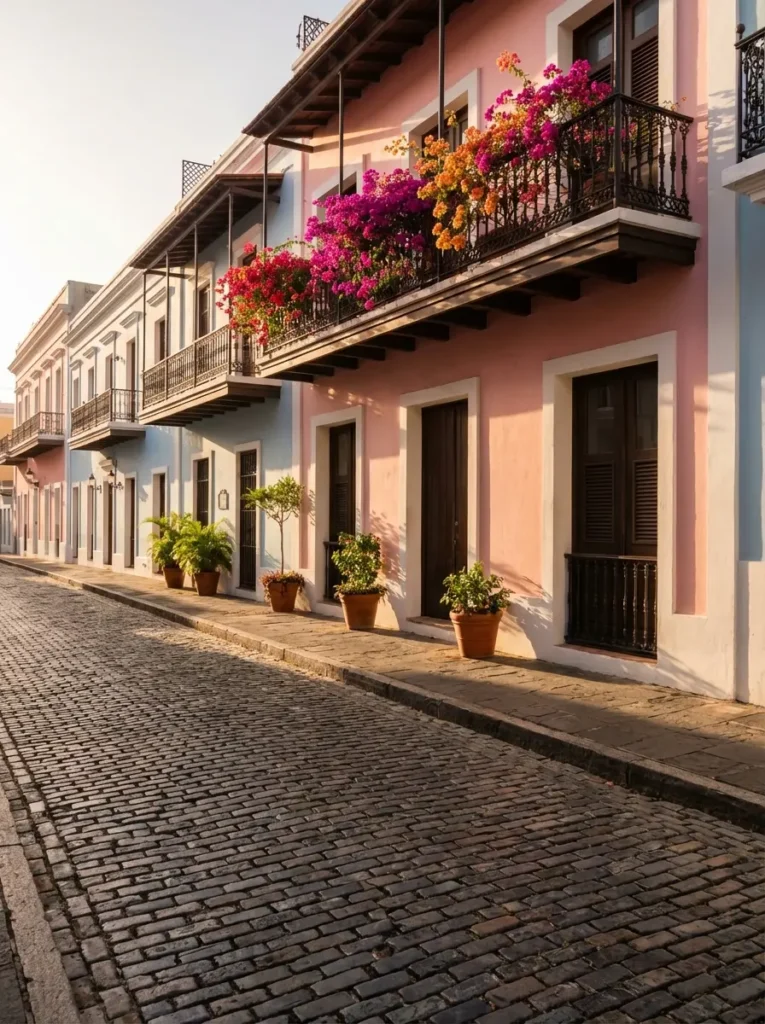
I was standing on a cobblestone street in Old San Juan — coffee in hand, obviously — staring at a bubblegum-pink wall next to a mint-green door, with the Atlantic glittering at the end of the alley. My camera was already around my neck, but I just… stood there.
That is the Puerto Rico aesthetic. Bold, warm, alive. It hits you before you even have time to think about your aperture settings.
If you’ve been trying to figure out how to capture that vibrant Caribbean energy in your photos — or you just want to understand what makes this island’s visual style so magnetic — you’re in the right place.
I’ve shot here multiple times, and I’m going to share everything: the color palette, the locations, the gear I actually reach for, and the editing approach that makes these shots come alive.
Let’s get into it.
What Makes This Island’s Visual Style So Distinct?
The tropical photography scene here is built from equal parts history, nature, and culture. It’s the warm collision of:
- Turquoise water and white-sand beaches
- Pastel colonial architecture wrapped in bougainvillea
- Lush rainforest greens stretching from El Yunque to the west coast
- Golden-hour light that makes everyone look like they belong on a magazine cover
- The raw, joyful energy of street life and music you can almost hear in a photo
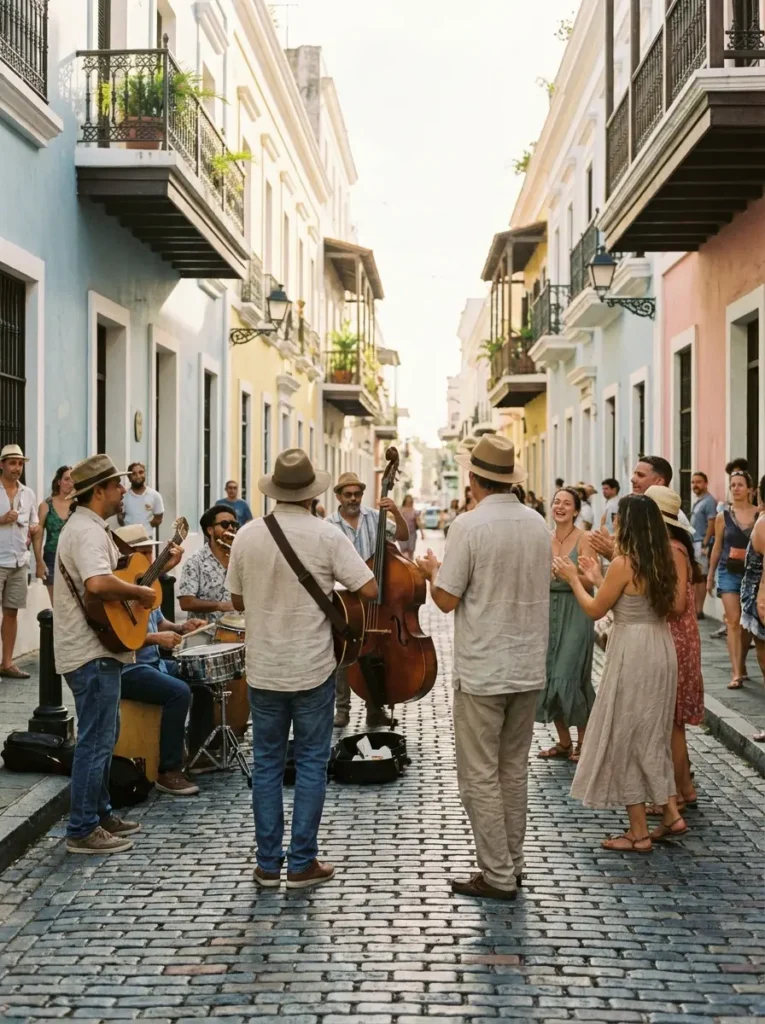
But here’s what most photography guides won’t tell you: getting the visual language right isn’t just about color. It’s about feeling.
It’s the way reggaeton floats out of a window on Calle del Cristo. It’s that freewheeling, warm-blooded island energy that you can feel in an image when it’s done right — and you can tell immediately when it’s missing.
Artists like Bad Bunny have helped define the modern iteration of this look for a global audience — all beachside visuals, bold fashion, unapologetic color. That’s not an accident. That’s the real island.
The Color Palette You Need to Understand First
Before you shoot a single frame, nail the colors. Get this right and editing becomes ten times easier.
Ocean Blues
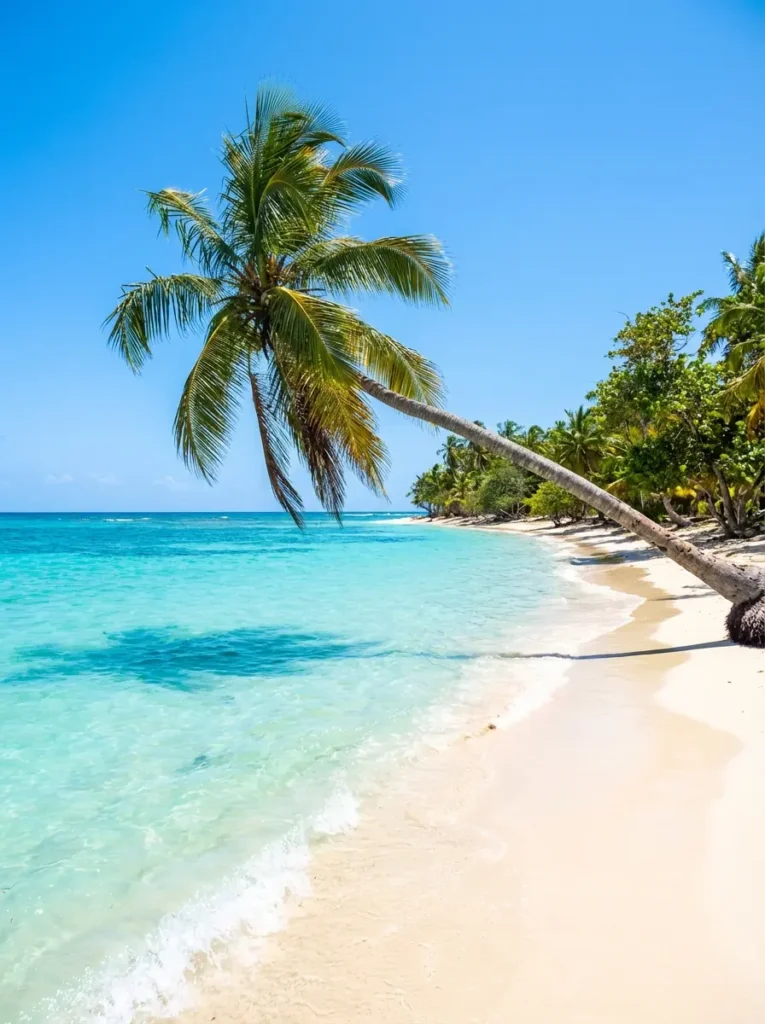
The beaches around Rincón, Isla Verde, and Flamenco serve up some of the most vivid aqua and turquoise you’ll ever photograph. The trick is knowing when those blues peak:
- Early morning gives you soft, dreamy tones with minimal glare — ideal for calm water reflections
- Midday produces bright, saturated tropical blues that pop against white sand
- Overcast days flatten the water beautifully for a more editorial, fashion-forward look
When I edit ocean shots here, I lift saturation specifically in the blue and aqua channels rather than applying a global boost. That keeps things feeling honest rather than over-baked.
Pastels — The Heart of Old San Juan’s Visual Identity
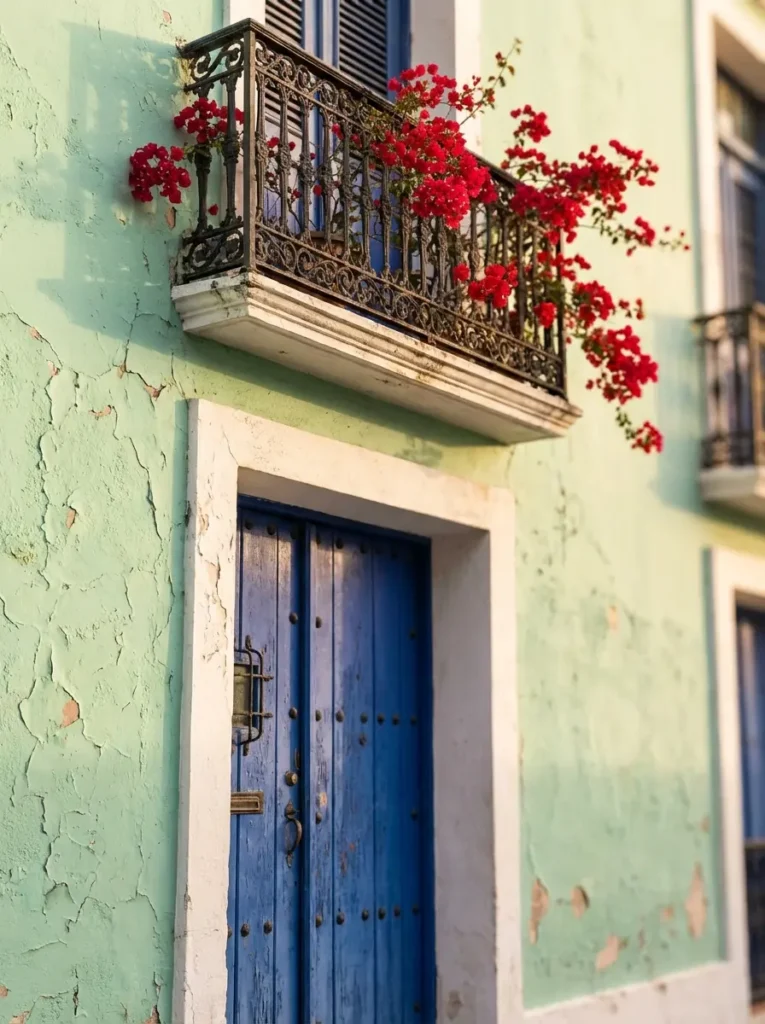
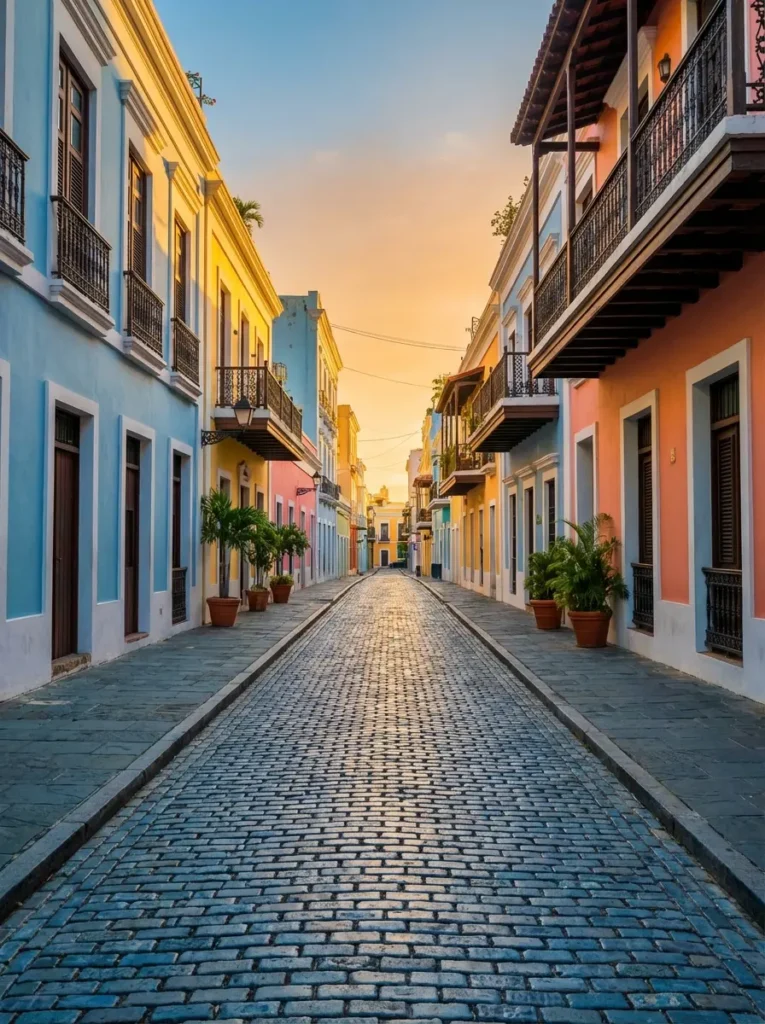
Walk through the old city and you’ll find soft pink, mustard yellow, mint green, baby blue, and coral stacked side by side like a paint swatch fever dream.
These colonial buildings — some dating back to the 1500s — are the single most recognizable element of the island’s photographic signature.
My tips for shooting them:
- Arrive before 8am — no crowds, perfect soft light, long shadows across the cobblestones
- Shoot straight-on for that clean, symmetrical look
- Include architectural texture: iron balconies, wooden shutters, cracked paint. That detail tells the real story.
- Use a wider lens to capture the full building alongside the street energy
Tropical Greens
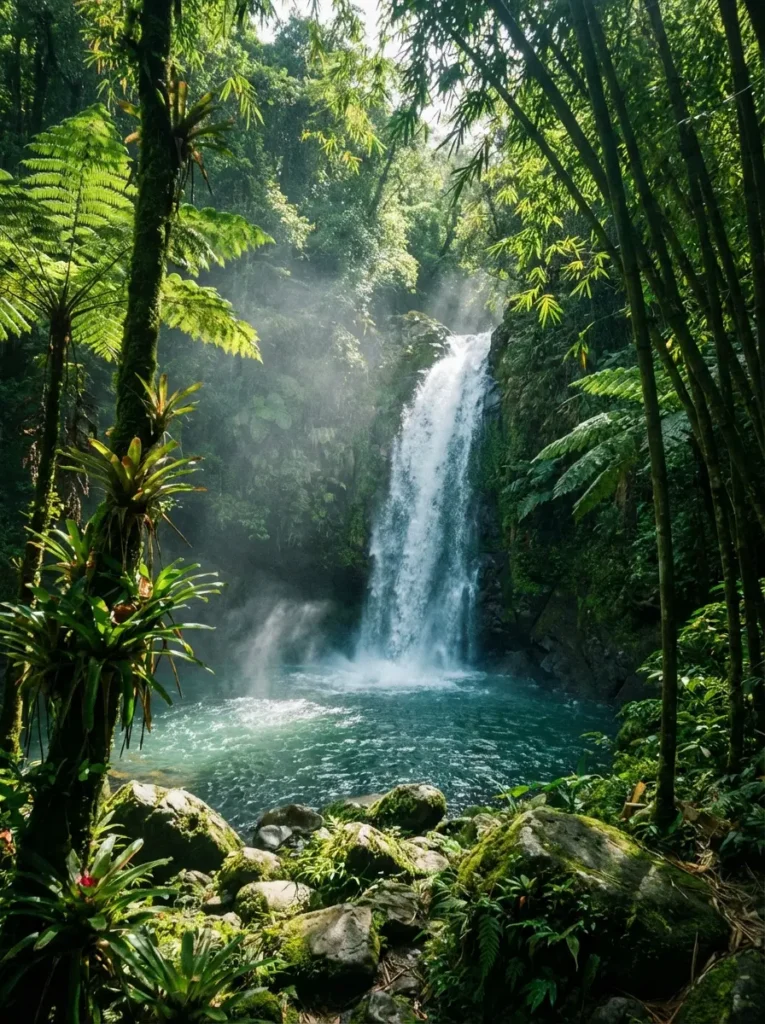
El Yunque National Forest — the only tropical rainforest in the US National Forest System — is a completely different side of the island’s character. The palette shifts here to deep emerald, misty mountain grey, and the bright white of waterfalls.
According to Lonely Planet’s Puerto Rico travel guide, it’s one of the most biodiverse protected areas in the entire Caribbean, and the images prove it.
Go right after it rains. The greens are almost unreal.
- Shoot from lower angles to make the canopy feel taller and more imposing
- Add a person in frame for scale — it makes the trees look enormous
- Aim toward light filtering through leaves for that signature jungle glow
Sunset Gold — When the Magic Peaks
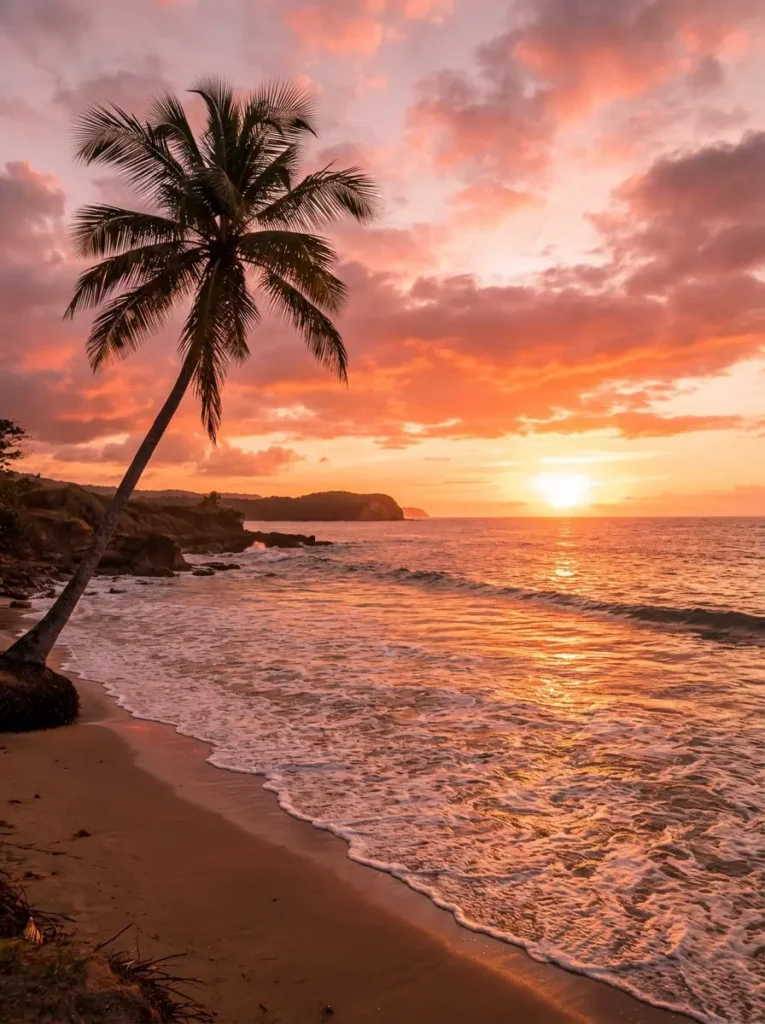
Rincón sunsets have a reputation, and they’ve earned every bit of it. The golden-hour light on the west coast is genuinely exceptional — warm, rich, and flattering in a way that requires almost no correction in post.
Start shooting 60 to 90 minutes before the sun goes down. That window is where the entire island seems to exhale. Silhouettes, warm skin tones, long shadows across the sand — this is when the island photography scene reaches its peak.
The Gear I Actually Use Here
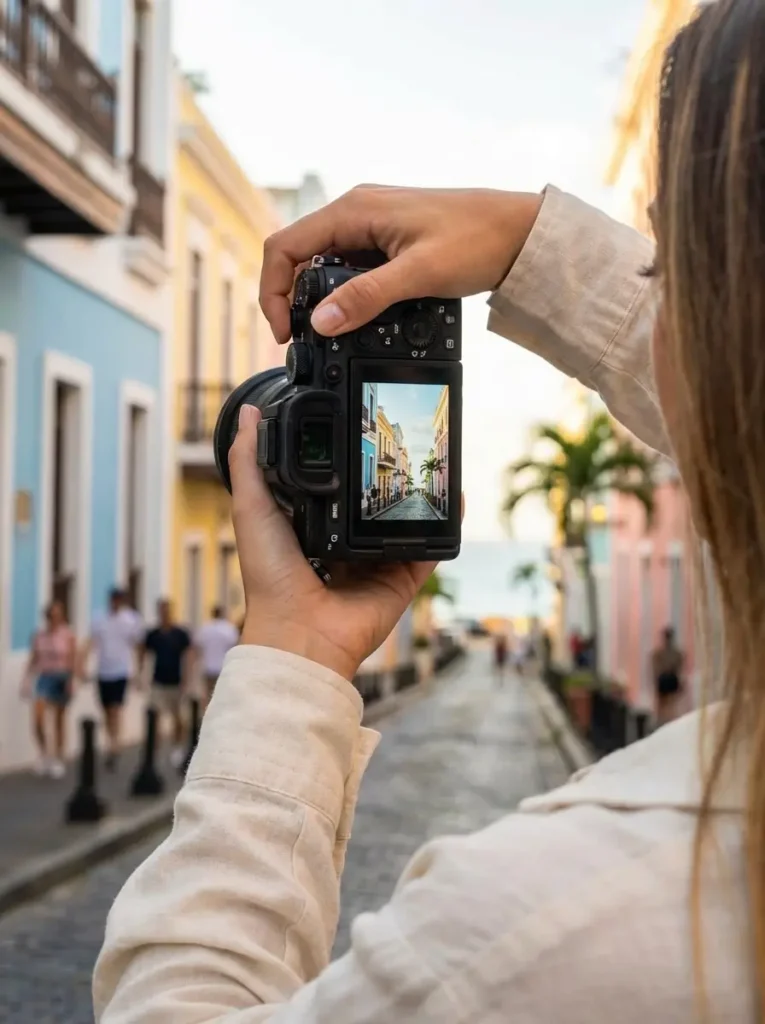
Real talk: you do not need thousands of dollars in equipment. I’ve captured some of my favorite frames here on a crop-sensor mirrorless. But if you want to invest in tools that make a genuine difference in warm, high-contrast tropical environments:
Camera body: I shoot on a compact mirrorless system that handles humidity and beach conditions without fuss. The priority is something lightweight enough that you’ll actually carry it everywhere — because here, the best moments are spontaneous.
Lens: A wide-angle prime around 16-24mm is my go-to for colonial streets and open beach landscapes. You need to capture the full sky and the scene together.
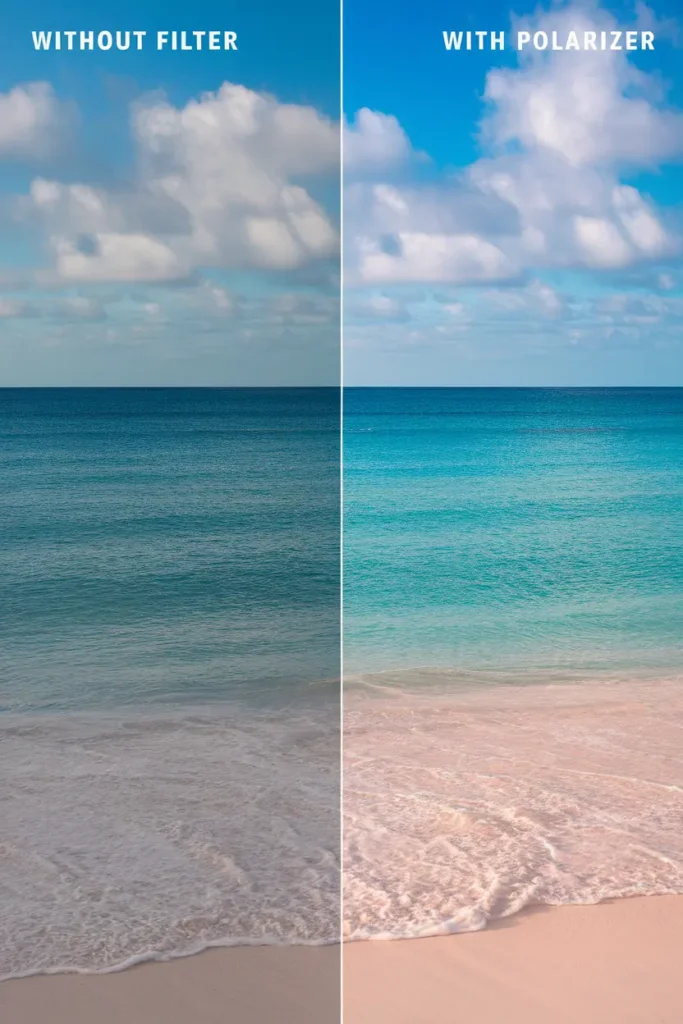
Filter: A circular polarizing filter is genuinely non-negotiable for water photography. It cuts glare and makes the ocean look the way your eyes actually see it — not the washed-out version a bare lens captures.
Editing: I start with a Lightroom preset pack built for warm, tropical climates as my foundation, then adjust from there. It saves hours per session without making images look like everyone else’s.
Shooting on a phone? Totally valid. Good light covers a multitude of gear limitations.
What to Wear — Because Outfits Are Half the Shot
This is something people wildly underestimate. Your clothing either works with the visual environment or fights it — there’s rarely a middle ground.

The short answer: flow, color, and breathable fabrics. The island vibe is effortless warmth, not effort. I wrote a full breakdown if you want to go deep — What to Wear in Puerto Rico: 30 Outfit Ideas That Actually Work covers outfit-by-outfit guidance for every situation on the island.
Quick version:
- Flowing dresses and linen shirts move with the breeze and drape beautifully on camera
- White, coral, yellow, and sky blue complement the environment rather than compete with it
- Bold prints are completely on-brand — especially against a flat pastel wall
- Avoid dark, heavy tones — black reads cold against a warm backdrop and absorbs brutal heat
- Natural fabrics (linen, cotton, rayon) breathe in the humidity and photograph with texture
The Best Locations (From Someone Who’s Shot Them All)
Old San Juan
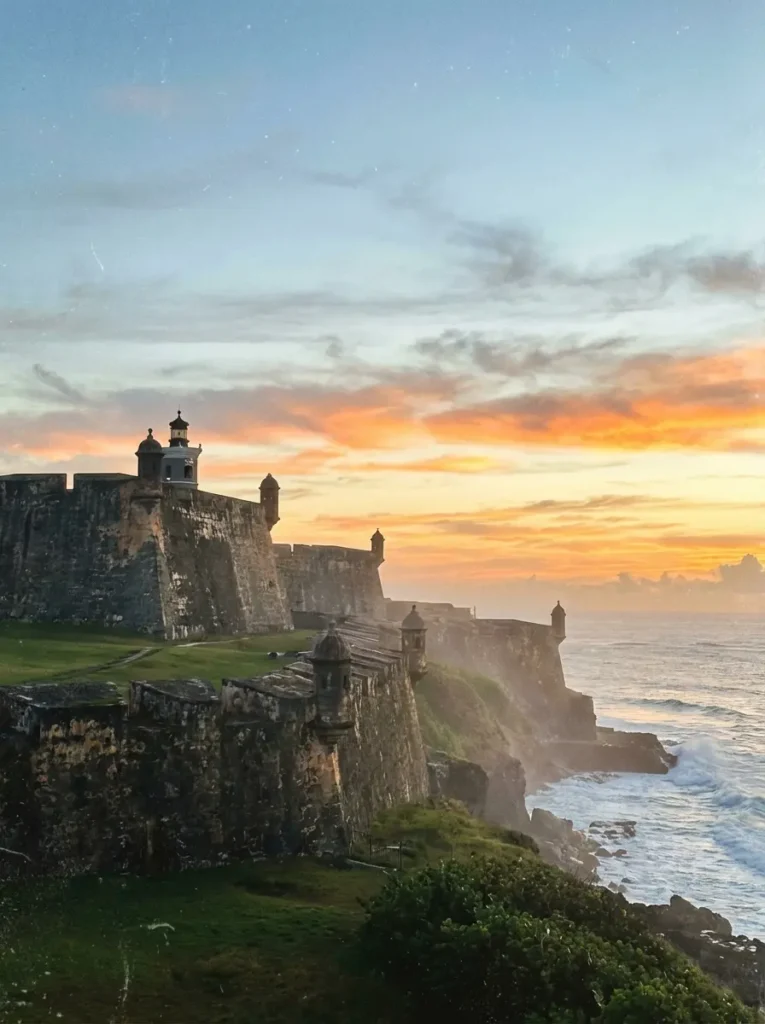
The obvious starting point, and it’s obvious for a reason. Colonial architecture, ocean views, historic forts, cobblestone streets — this is the concentrated version of everything the island’s visual identity is known for.
Highlights: Calle del Cristo, La Fortaleza, Castillo San Felipe del Morro at sunrise, Paseo de la Princesa at golden hour.
Rincón

A completely different energy — more laid-back, more surf culture, more sunset-obsessed. The west coast town photography scene is golden, wild, and unhurried. If you shoot here and aren’t moved by the light, I genuinely don’t know what to tell you.
El Yunque National Forest
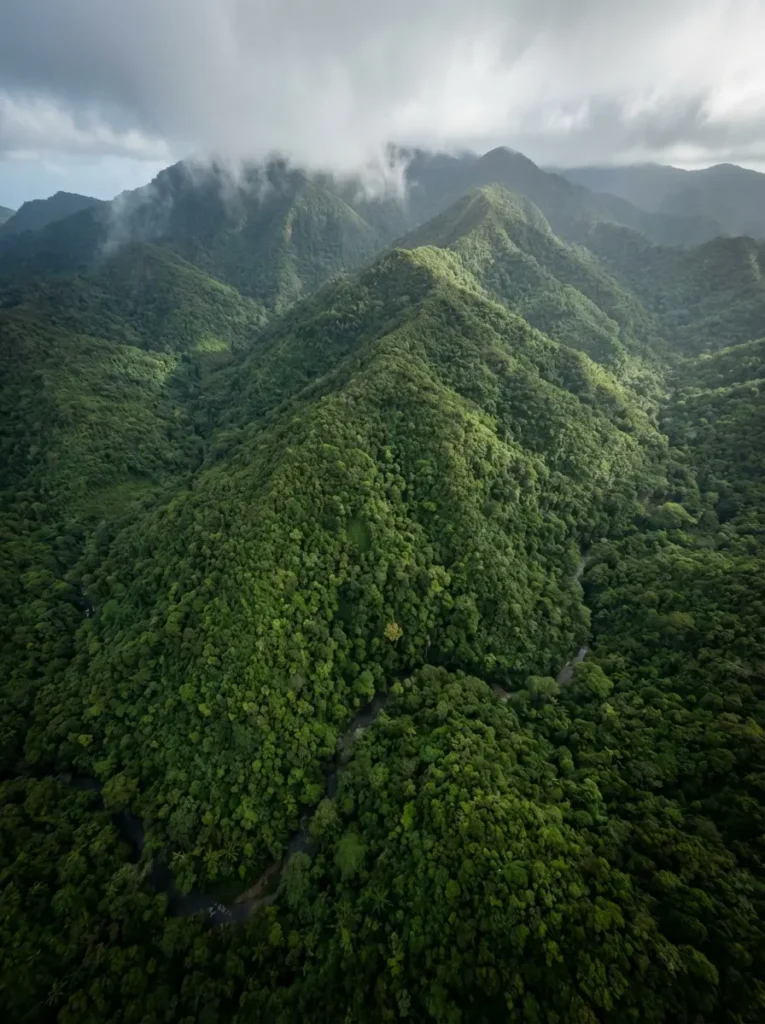
As National Geographic points out in their guide to rainforest photography techniques, lush green environments require specific approaches — particularly managing the contrast between deep shade and bright canopy highlights.
El Yunque demands patience, but the images you walk away with are unlike anything else on the island.
Condado
The modern, fashion-forward face of island life. Palm-lined streets, contemporary architecture, and that intense beach backdrop. Great for a more polished, lifestyle-brand aesthetic.
Shooting Technique That Actually Works
Light First, Always
The single biggest upgrade to your shots here? Stop shooting at noon. Harsh midday sun destroys color and creates unflattering shadows. The edges of the day — early morning and the hour before sunset — are where the island comes alive visually.
Go Candid
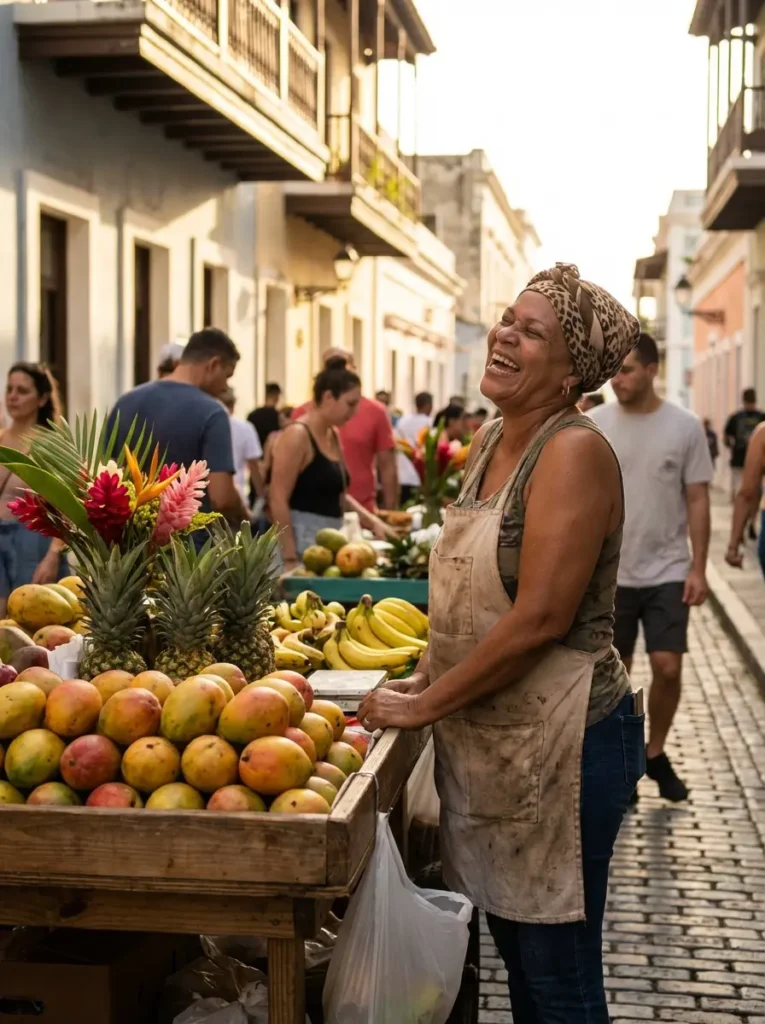
The vibe here is not stiff. It’s spontaneous. Some of my favorite images came from just walking and reacting — someone spinning on a corner, a vendor laughing, a kid jumping into the water.
That authentic human energy is what separates a compelling Caribbean travel photo from a generic postcard.
Always ask permission before photographing locals. Respect the moment. The culture is the subject — not just the backdrop.
Editing Philosophy
Here’s how I approach post-processing for this environment:
- Slight warmth boost — not to fabricate anything, but to match what the light actually felt like
- Vibrance over saturation — vibrance protects already-rich colors and lifts the flat ones
- Protect skin tones — the moment you over-saturate globally, skin breaks and the image looks processed
- Add contrast on sunny outdoor shots — it gives depth without muddying the colors
- Work the HSL panel — target blues and greens individually rather than global adjustments
What to avoid: dark moody presets, heavy desaturation, anything that strips the warmth. The island is bright. Honor that.
Building a Consistent Feed Around This Visual Style
If you’re creating content for a brand, influencer account, or tourism campaign:
- Anchor your palette — pick 3-4 core colors and make sure they thread through every post
- Use one preset as a starting foundation across all images, then adjust individually
- Mix formats — wide establishing shots, close-up texture details, and portraits. The carousel format was practically built for this shooting style
- Tag locations specifically — San Juan, Rincón, and El Yunque each have active search communities
- Behind-the-scenes content performs well here — people want to see the context, not just the polished result
Mistakes That Kill the Island Look
I see these constantly — even from experienced photographers:
Over-editing. You have extraordinary raw material. Trust it.
Shooting only at noon. The light is genuinely bad for most of what makes this place visually interesting. Get up early or stay out late.
Treating culture as backdrop. This is a living, breathing community — not a film set. Photograph people with the same respect you give the architecture.
Never leaving the tourist zones. Rent a car. Explore. The best shots are rarely where everyone else is standing.
Dark clothing in every frame. You’re shooting against some of the most colorful backdrops on Earth. Work with them.
FAQs About Puerto Rico Aesthetic
What is the Puerto Rico aesthetic exactly?
It’s the visual mood of the island — pastel colonial buildings, turquoise water, golden-hour beaches, and the raw energy of street life blended together. Think warm, colorful, and alive rather than polished or staged.
What colors should I wear to match the Old San Juan vibe?
White, coral, yellow, and sky blue photograph beautifully against the pastel walls. Avoid dark colors — they fight the backdrop and absorb brutal heat. Full outfit guide here: What to Wear in Puerto Rico.
What’s the best time of year to shoot in Puerto Rico?
January through April gives you less rain, lower humidity, and cleaner skies. That said, the light is gorgeous year-round — the dry season just means fewer cloudy afternoons.
Is Puerto Rico worth visiting just for content creation?
It’s one of the most photogenic places in the Caribbean — multiple distinct visual environments (colonial city, rainforest, surf town, beach) all within a few hours of each other. For content creators, it’s hard to beat.
Final Thoughts
This island is one of those rare places where the photography genuinely delivers on the promise. The light is real. The color is real. The human warmth is completely real. You don’t have to manufacture anything — you just have to show up with open eyes.
Whether you’re building a content brand, planning a destination shoot, or just want your vacation photos to actually feel like that trip — lean into the light, dress for the palette, chase golden hour, and let the island do its thing.
Trust me: it will.
I only recommend products I would use myself and all opinions expressed here are our own. This post may contain affiliate links that at no additional cost to you, I may earn a small commission. Read full privacy policy here.
